Cadishead Motorsports Hub - Page 2
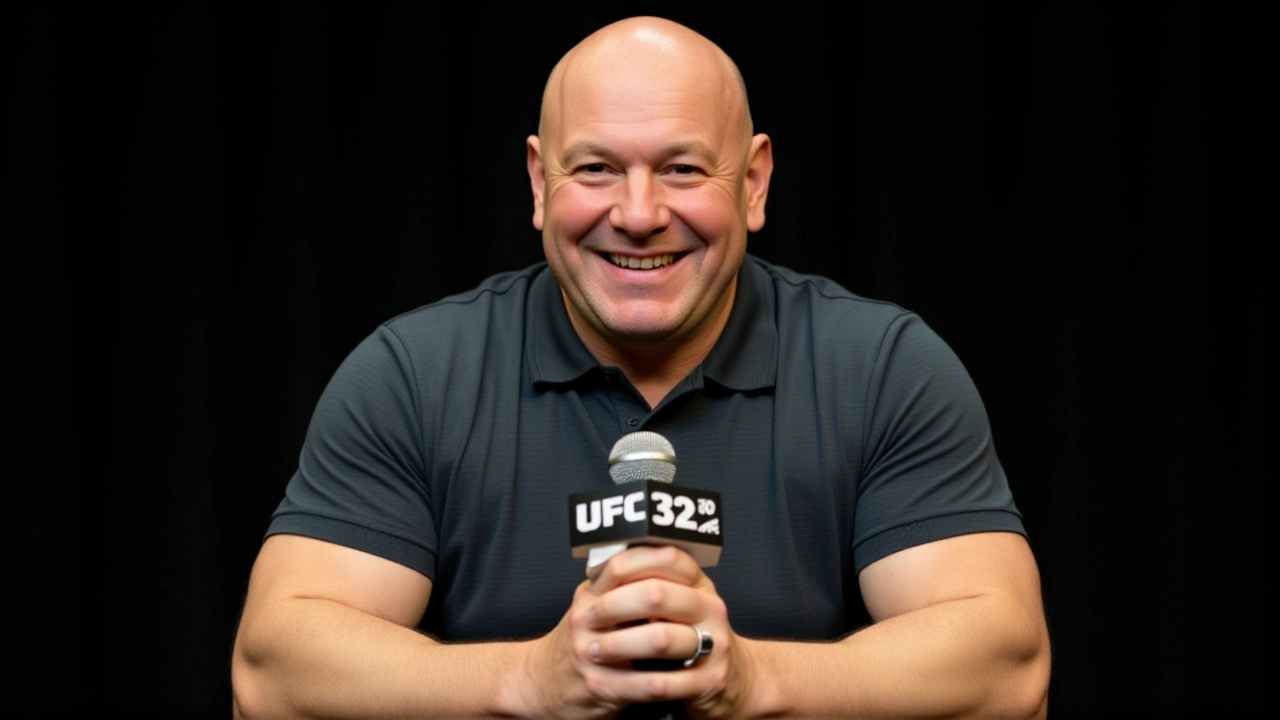
Dana White Bans Dillon Danis for Life From UFC Events After Brawl at UFC 322
Dana White banned Dillon Danis for life from UFC events after a brawl with Islam Makhachev’s Nurmagomedov team at UFC 322 in Las Vegas, calling it his own fault — marking the first lifetime ban of a non-fighter in UFC history.
Read More
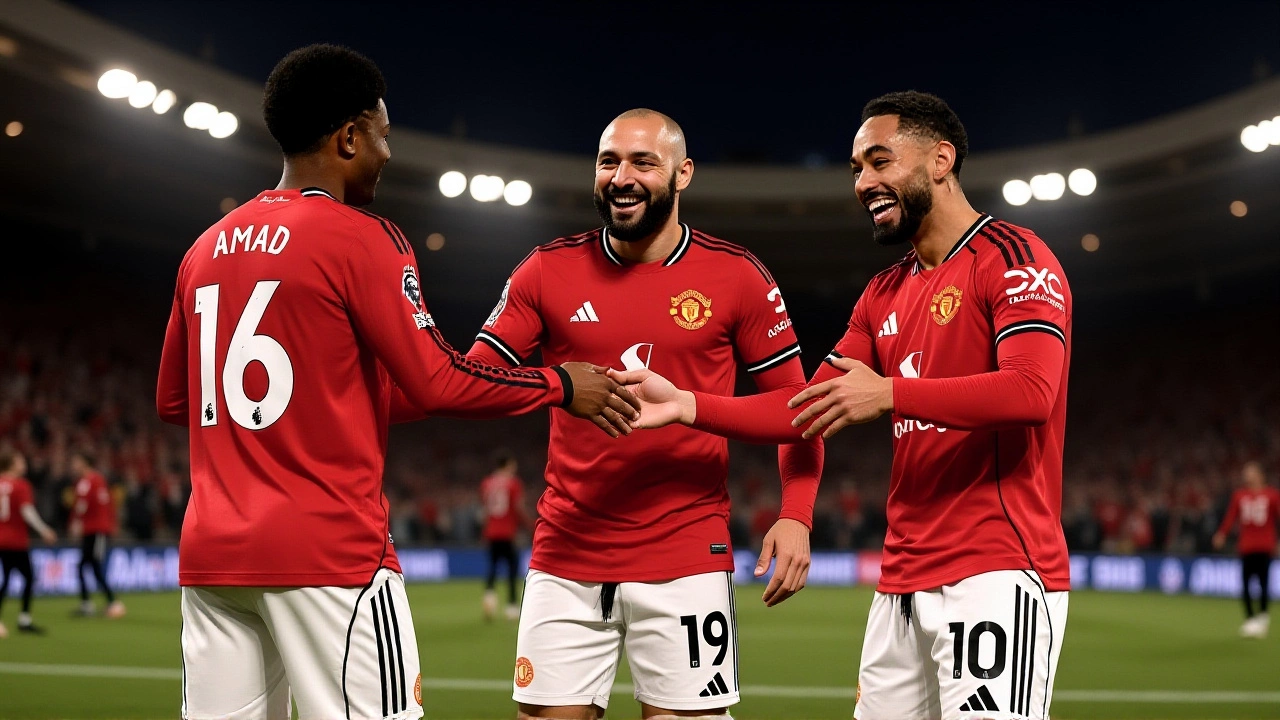
Man United 4-2 Brighton: Ten Hag's side clinch third straight win
Manchester United beat Brighton 4‑2 at Old Trafford, extending their winning run to three and tightening the Premier League title race.
Read More
£7.08 Million Lotto Jackpot Hits UK on Sept 27 Draw – Full Numbers & Winners
The National Lottery's September 27 Lotto draw delivered a £7.08 million jackpot, 3 million‑pound winners, and boosted the Summer of Sport 2025 campaign, impacting UK community sport projects.
Read More
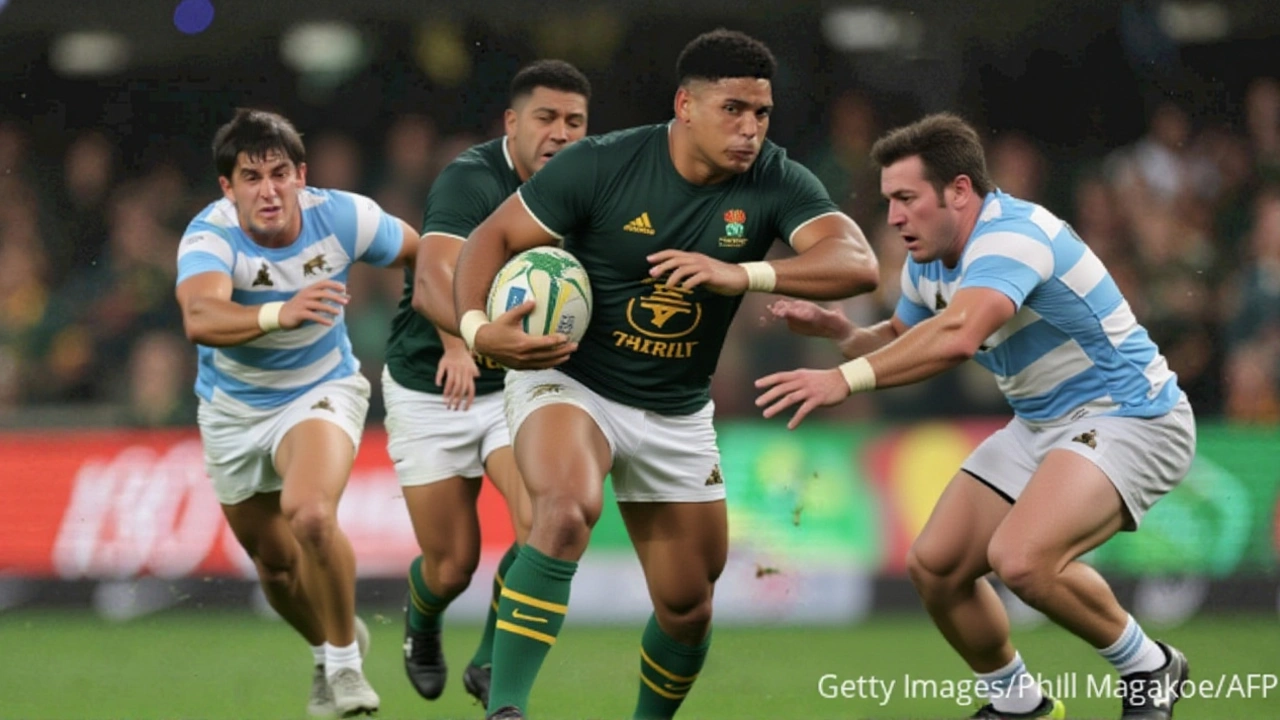
Springboks Edge Argentina 29-27 for Back‑to‑Back Rugby Championship
The Springboks beat Argentina 29‑27 at Twickenham on Oct 4 2025, clinching the first back‑to‑back Rugby Championship title and cementing their world‑number‑one status.
Read More
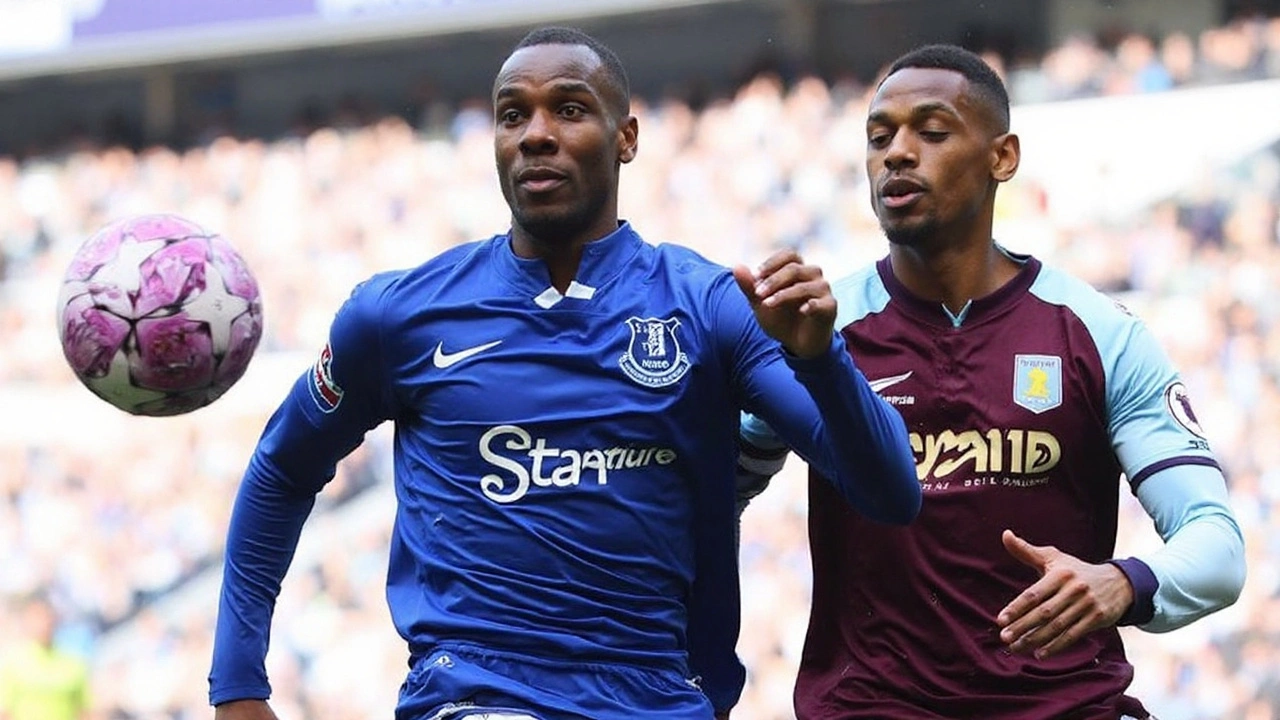
Iliman Ndiaye shines as 4/10 falls flat — Everton player ratings vs Aston Villa
Everton were held 0-0 by Aston Villa at Hill Dickinson Stadium, but Iliman Ndiaye stood out with sharp dribbling and chance creation. David Moyes made one change, moving James Garner to left-back and starting Tim Iroegbunam. The draw pauses Everton’s early momentum after two wins. Our player ratings highlight Ndiaye’s influence and identify where the attack misfired.
Read More

Keir Starmer puts Angela Rayner out front as deputy PM — and reshapes how power works
Keir Starmer has pushed Angela Rayner into a highly public role as deputy prime minister and housing secretary, making her the face of delivery on planning and renters’ rights. The move spreads political risk, keeps unions close, and gives Labour a northern voice at the top. It also creates friction points with the Treasury and local councils. Here’s how the setup works and what could go wrong.
Read More

Germany Triumphs Over Hungary 2-0 to Clinch Euro 2024 Knockout Spot
Germany's national soccer team secured their place in the knockout stages of Euro 2024 with a 2-0 victory over Hungary. This win was marked by standout performances from Jamal Musiala and Ilkay Gundogan, with Toni Kroos completing a record number of passes. The German squad's dominance throughout the match leaves Hungary's future in the tournament uncertain, hinging on their final group game against Scotland.
Read More
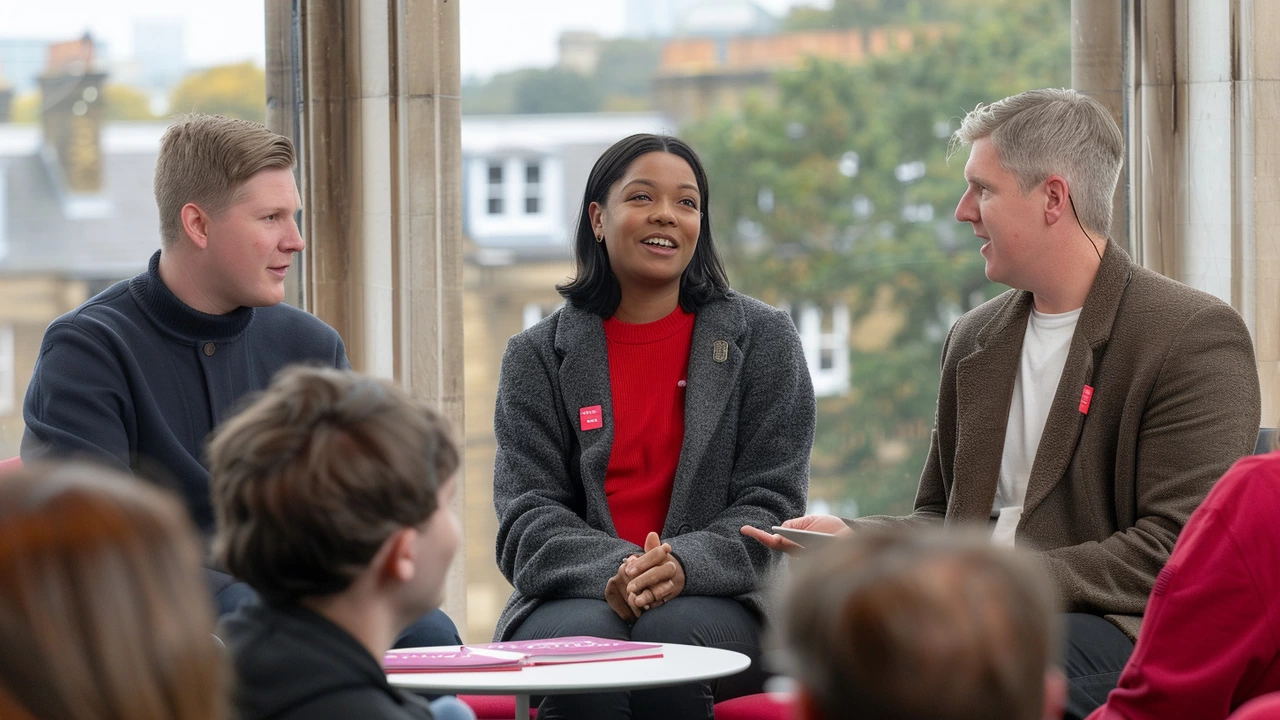
Rachel Reeves Highlights Labour's Business-Friendly Shift in Rolls Royce Speech
Rachel Reeves, the Shadow Chancellor, addressed business leaders at Rolls Royce in Derby, claiming Labour as the new champion of British business. Criticizing Conservative economic management, she promoted Labour's vision of stability and investment focused on the well-being of working people.
Read More
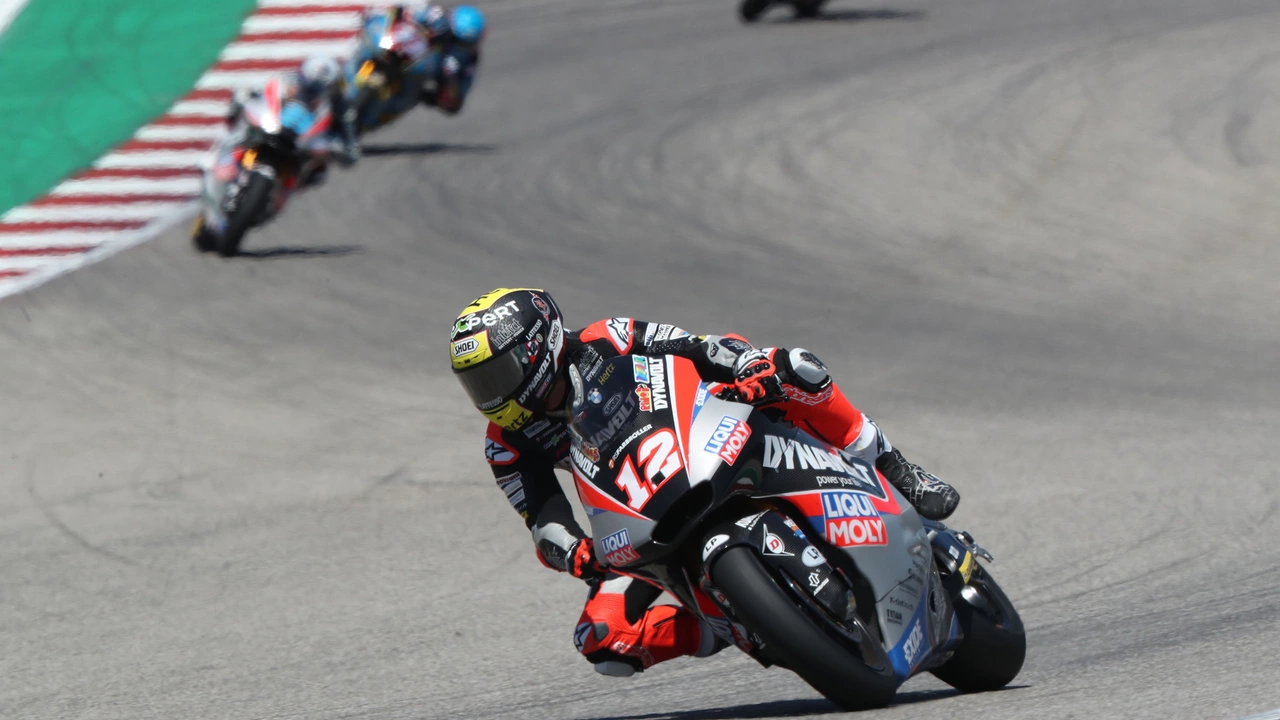
Why are MotoGP races so short?
Ever pondered why MotoGP races are as short as my attention span at a kid's magic show? Well, I've got the lowdown! The reason is all about maintaining that edge-of-the-seat excitement. It's like a rollercoaster ride, you don't want it to be so long that you start yawning halfway. Plus, the technical endurance of the bikes and the physical strain on the riders are also factors. After all, we can't have the riders looking like they've aged ten years at the finish line, can we?
Read More
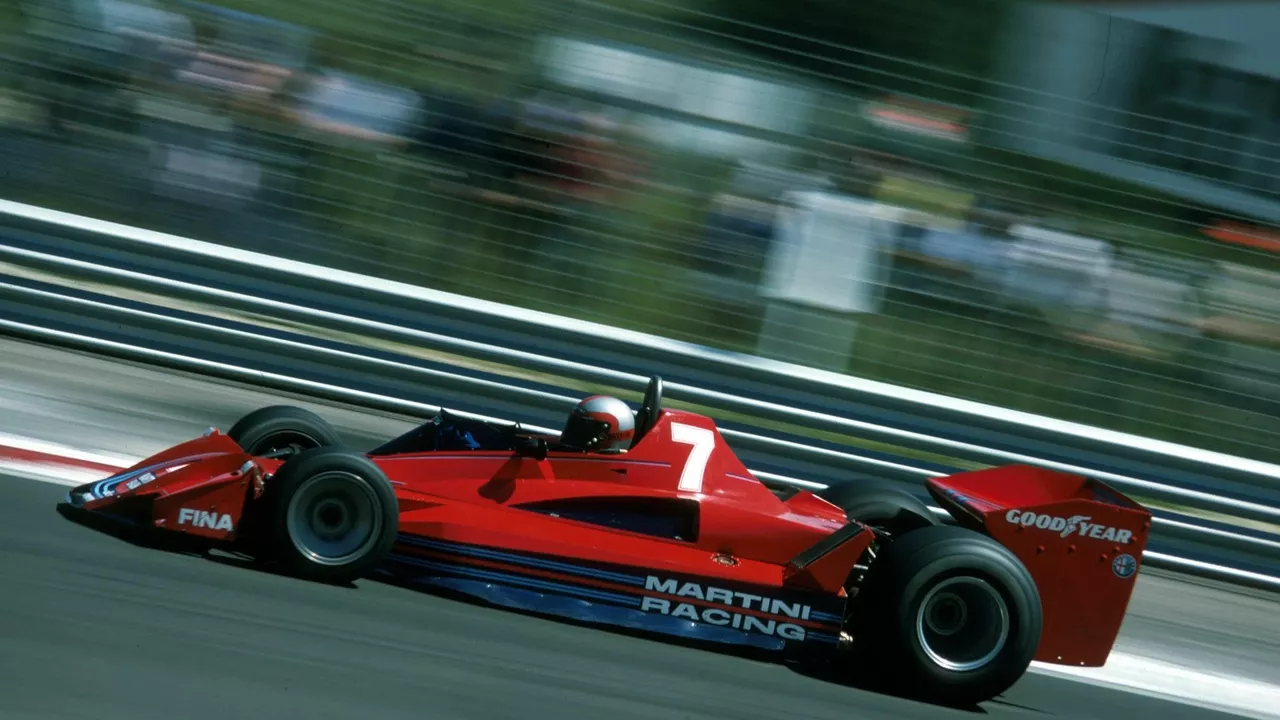
Are F1 drivers better than IndyCar drivers?
Well folks, as we dive into the heated debate of F1 versus IndyCar drivers, let me just say, each one of 'em is like a different flavor of ice cream - you can't simply say one is superior! Now, F1 drivers do showcase a knack for technical precision, a bit like a ballerina dancing on ice. However, our IndyCar pals aren't any less, they demonstrate insane versatility, like a Swiss army knife on wheels. It's like comparing apples to oranges, or in this case, Ferraris to Chevrolets! In the end, it all boils down to personal preference, so let's just agree that they're both wildly talented and incredibly brave.
Read More